






10/10/2026
If you have ever asked for a rubbish removal quote and then felt your stomach drop when the final...
Rubbish Clearance Brompton provides practical waste removal in Brompton for households, landlords, shops, offices and contractors who need unwanted items taken away in a controlled, straightforward way. Our service covers everyday domestic clearances, bulky furniture, garden waste, builders’ debris and commercial refuse, with the emphasis on sensible sorting and responsible handling rather than a one-size-fits-all approach. If you need a clear plan for getting clutter, excess rubbish or trade waste removed, this homepage sets out the main options and how they fit together.
We work across the core service areas described on this site, so you can choose a focused collection or a broader clearance depending on what needs moving. That may mean a single appliance, a full room of unwanted items, or a mixed load that includes different materials needing separate attention. For a fuller overview of the available work, see the services overview and the individual pages that explain each type of collection in more detail.
When you are ready, ask for a quotation with a short description of the items involved. A brief note about access, loading constraints and the type of waste helps us shape the right service for your job. If you are comparing options, the pricing and quotes page explains the main factors that can influence the final cost.
Household waste removal is often about restoring usable space without making the process more complicated than it needs to be. We can handle general domestic rubbish, loose clutter, bagged waste, old household items and mixed clearances that build up in lofts, spare rooms, garages or cupboards. The aim is to remove the load cleanly and leave you with less sorting to do after the collection has been arranged.
For a simple collection, the most useful information is what needs removing, where it is located and whether any items are especially heavy, awkward or fragile. A short list is often enough, but if there are several categories of waste then separating them in advance can make the visit more efficient. Clear details at the start help ensure the right vehicle, timing and loading plan for the work. If you want to look at a related domestic option, the domestic waste collection Brompton page covers this type of service directly.
Large unwanted items need a removal method that is careful, efficient and realistic about access. Sofas, tables, wardrobes, beds, white goods and other bulky possessions can be awkward to shift through narrow hallways or shared entrances, so the collection needs to be planned around the property rather than forced into a standard routine. Our furniture removal and appliance disposal options are intended for items that are too large for ordinary bins and too cumbersome to manage alone.
The best results usually come from grouping similar items together before the visit, especially where there are several bulky pieces to move from different parts of the property. It is also useful to note whether items need dismantling, whether they are still connected, and whether stair access or parking restrictions may affect loading. One clear description of the load is usually more valuable than a long explanation, and it helps us advise on the right service. You can also review the furniture removal Brompton page if that is the main type of waste you need collected.
For electrical and metal appliances, safe handling matters just as much as speed. Fridges, freezers, washing machines and similar white goods can contain components that should be separated and managed properly, so they are best treated as a distinct category rather than added casually to a general pile. The white goods and appliance disposal Brompton page explains that service in more detail and is useful when you need a collection centred on domestic equipment.
Construction and refurbishment projects produce waste that needs prompt, tidy removal so work can continue without unnecessary obstruction. Builders’ waste clearance can include broken materials, packaging, offcuts, removed fixtures and mixed debris from renovations or small site works. The exact load matters, because not all trade waste is the same: heavier rubble behaves differently from light packaging, and mixed waste may need separating before collection.
Where a project is in progress, it helps to state what stage the work has reached and whether the waste is already gathered in one area or still spread across the site. That information allows the collection to be matched to the reality on the ground rather than treated like a standard household lift. If you are arranging removal around a renovation, the builders’ waste removal Brompton page is the most relevant place to start. Simple, accurate notes about access and material type usually make the arrangement easier to shape.
Commercial waste removal is similar in principle but often involves regular operating spaces rather than a one-off domestic clearout. Offices, retail units and other workplaces may need mixed rubbish taken away without interrupting daily activity, so the service should be organised around opening hours, load type and on-site constraints. For that broader business-focused option, see commercial waste removal Brompton.
Brompton in South Kensington is closely associated with the streets around the Victoria and Albert Museum, the Natural History Museum and the wider museum quarter of central London. The name is also reflected in well-known local landmarks such as Brompton Cemetery, one of London’s “Magnificent Seven” garden cemeteries, laid out in the 19th century as part of the city’s response to overcrowded churchyards. The cemetery’s avenues, chapels and tree-lined walks give this part of west London a distinctive historic atmosphere that sits alongside the more formal terraces and mansion blocks of the surrounding district. Brompton Road forms a major east-west route through the area, linking shops, institutions and residential streets, while nearby South Kensington and Knightsbridge provide access to a dense mix of architecture, galleries and transport connections. Much of the built environment reflects Victorian and later 19th-century development, with stucco façades, elegant mews streets and institutional buildings shaping the local character. The area is not a standalone town in the suburban sense, but a well-established part of inner London with strong ties to museum life, academic institutions and historic residential streets. Its proximity to Hyde Park, Kensington Gardens and the Royal Borough’s cultural assets adds to the sense of a place where civic space, heritage and daily urban activity overlap in a compact setting.
Garden waste removal is useful when pruning, clearance or outdoor tidying creates a pile that will not fit in ordinary refuse collections. Branches, hedge cuttings, soil, leaves, clippings and other organic material can be handled as a separate load so that outdoor maintenance does not leave a lingering mess. The key is to treat this type of rubbish as a distinct stream, especially when it is mixed with pots, broken outdoor items or packaging from landscaping work.
Seasonal garden work often produces a combination of light and heavy material, and that mix can affect how it should be loaded and removed. It is sensible to note whether the waste has already been bagged, whether there are thorny or wet cuttings, and whether access runs through side passages, shared paths or communal spaces. The garden waste removal Brompton page is the best fit if your main requirement is outdoor waste rather than household clutter.
Some clearances are not about one material type at all, but about bringing together a varied load from different rooms or areas. In those cases, a mixed collection can be the most practical route, provided the waste categories are described clearly enough to allow sensible planning. If you need one service that handles several streams in a single visit, the house clearance Brompton page is a relevant option.
Good rubbish clearance depends on practical information more than guesswork. A quotation is usually easier to prepare when you can describe the waste type, approximate volume, floor level, access route and any items that need special handling. Photos can help where the load is awkward or spread across several rooms, while a short written summary is often enough for straightforward collections. Being specific once is better than sending several vague messages, because it gives a clearer basis for organising the job.
It is also useful to think about what should stay and what should go before the collection is arranged. Mixed waste can contain reusable, recyclable and non-recyclable material, and separating those categories in advance can reduce confusion when the work starts. If payment or service terms matter to you, the payment and security page sets out the site’s approach, while the terms and conditions page gives the formal service terms.
Waste removal should be organised with proper attention to safety, compliance and the way materials are handled after collection. That matters for both domestic and commercial work, because different waste streams may need different treatment once they have been loaded. Our service pages on compliance and safety are there to explain the practical standards behind the work, including the care taken when moving awkward items or handling waste that needs a more measured approach.
If you are comparing providers, it is reasonable to want reassurance that the process is structured rather than improvised. The waste carrier licence and compliance page covers the compliance side of the service, and the insurance and safety page addresses safe working considerations. These pages are helpful when you want to understand how the service is set up before you book it.
Recycling and reuse also play a part in sensible clearance work. Not every load should be treated as undifferentiated rubbish, and some items can be separated into more suitable disposal streams where possible. If that aspect matters to you, the recycling and sustainability page explains the approach in more detail. Responsible sorting is not a slogan here; it is part of making the removal process practical and proportionate to the waste involved.
The most efficient way to arrange rubbish clearance is to match the service to the material, the setting and the access available. A single appliance does not need the same plan as a full house clearance, and builders’ rubble does not move like soft furnishings or garden cuttings. Choosing the closest service type from the start makes it easier to decide whether the job is a one-off collection, a room-by-room clearance or a broader mixed load. If you are unsure where your rubbish fits, the site’s service pages are designed to make that distinction easier.
For customers who want a more general introduction before making contact, the about us page gives a broader picture of the business, while the service pages remain the best place to match a specific job to a specific collection type. If you have several kinds of waste at once, it may be better to describe them together rather than splitting them into separate enquiries, because the combined picture often leads to a more workable plan.
Get in touch for a quotation when you have a clear idea of the items, the location and the access conditions. If your job involves mixed domestic waste, bulky furniture, builders’ debris or commercial rubbish, a short summary is enough to begin. For a direct enquiry, use the contact us page and include the details that will help us assess the collection properly.
Commercial homepage content for rubbish clearance in Brompton, covering domestic, furniture, garden, builders and commercial waste removal with a request for a quotation.
If you have ever asked for a rubbish removal quote and then felt your stomach drop when the final...

If you are dealing with a bulky item near Brompton Cemetery, the job can feel more awkward than...
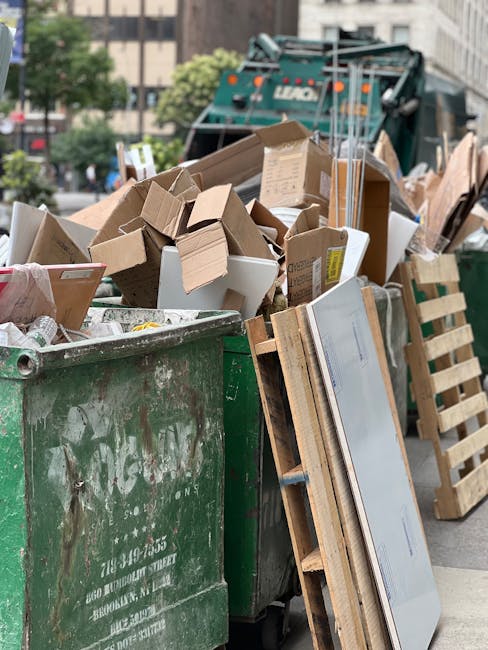
If you need Junk and bulky rubbish pickup by Royal Brompton Hospital, you are probably dealing...
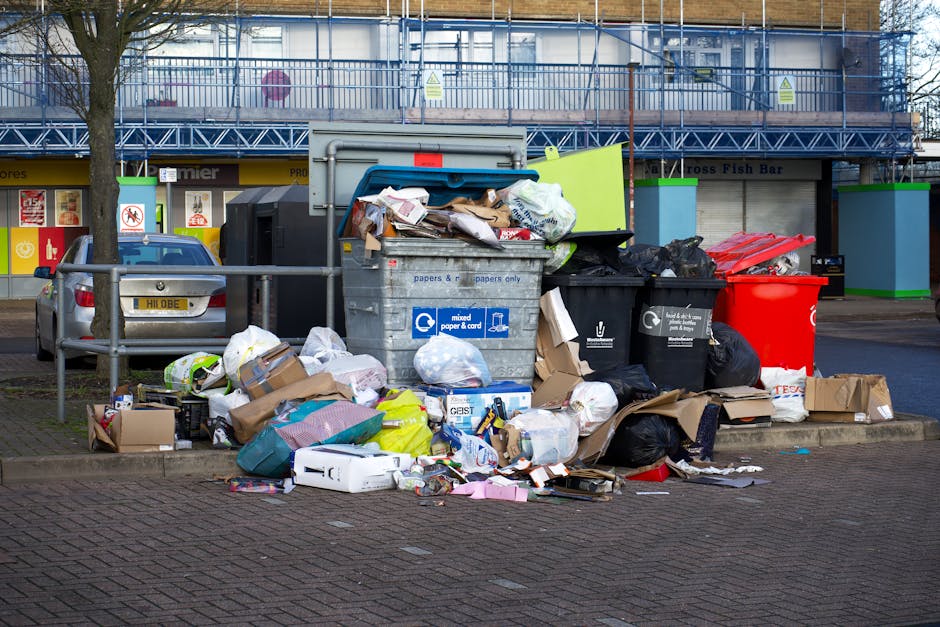
If you need affordable rubbish clearance South Kensington station SW7, you probably want two...

If rubbish has piled up faster than you expected, a Same day rubbish removal Brompton Road SW3...

Finding the ideal place to settle down can be a daunting task with countless factors to consider....

Nestled in the heart of London's bustling metropolis lies a hidden gem that captures the essence...

Investing in Brompton property can be a lucrative venture if done with careful planning and...

Planning a party is no small feat, especially when it's happening in a bustling area like Brompton.

Waste management has become an increasingly important issue in modern society as the amount of...

 (72)
(72)
Please fill out the form below to send us an email and we will get back to you as soon as possible.