Junk and bulky rubbish pickup by Royal Brompton Hospital
Posted on 09/08/2026
Junk and Bulky Rubbish Pickup by Royal Brompton Hospital: A Practical Guide for Fast, Safe Clearance
If you need Junk and bulky rubbish pickup by Royal Brompton Hospital, you are probably dealing with the kind of mess that gets in the way quickly: a broken chair, an old mattress, packaging from a delivery, a worn-out desk, or a mixed pile that is simply too awkward for normal bins. Around a busy hospital setting, that kind of waste needs handling with a bit more care than people often expect. Access can be tight, timing matters, and there is usually no patience for lingering clutter near entrances, loading points, or staff pathways.
This guide explains how bulky rubbish clearance works in the Royal Brompton area, what can usually be removed, how to prepare properly, and what to look for in a responsible service. You will also find a simple checklist, a comparison table, and a few practical tips that can save time and frustration. To be fair, rubbish removal sounds straightforward until you are trying to move a sofa through a narrow doorway at the wrong time of day.
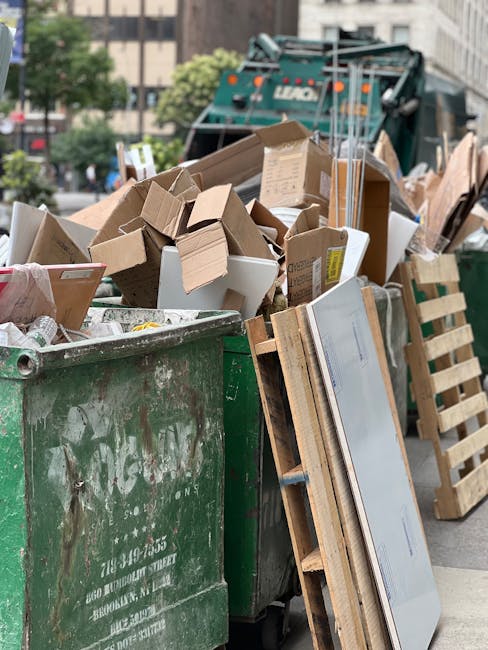
Why Junk and bulky rubbish pickup by Royal Brompton Hospital Matters
Bulky waste near a hospital is not just a housekeeping issue. It can affect access, safety, presentation, and day-to-day operations. A misplaced mattress or pile of mixed junk can block walkways, create manual-handling risks, and give a poor first impression to visitors who may already be under pressure. In a place like Royal Brompton Hospital, where movement needs to stay calm and efficient, even a small obstruction can be annoying. Sometimes that is putting it mildly.
There is also the question of dignity and discretion. Hospital-adjacent properties, clinics, offices, and residential buildings often need rubbish removed with minimum disruption. Maybe a room has been refurbished. Maybe an office cupboard has been cleared out. Maybe there is just a collection of old furniture and equipment that has slowly become impossible to ignore. Whatever the reason, timely pickup keeps the space usable and stops waste from building up.
Another important point is waste segregation. Mixed junk can include furniture, plastics, packaging, metal, and electrical items. Sorting this properly helps prevent unnecessary landfill disposal and supports better recycling outcomes. If sustainability matters to you, it usually should, then choosing a service with sensible sorting and disposal practices is worth it. You can read more about the wider approach on the site's recycling and sustainability page.
One more thing: hospital locations often bring extra foot traffic, restricted parking, and tighter timing windows. That means a careful, organised clearance matters more than in an ordinary residential street. The job is not just about lifting rubbish. It is about doing it without causing a scene.
How Junk and bulky rubbish pickup by Royal Brompton Hospital Works
In practice, bulky rubbish pickup is usually a straightforward process, but the details matter. Most services follow a similar pattern: initial enquiry, waste description, access review, quote, collection, loading, and disposal. If the site is busy or access is awkward, the team may need a bit more information beforehand. That small bit of planning can make all the difference.
Here is the typical flow:
- Describe the waste clearly. Say what needs removing, how much there is, and whether anything is especially heavy or awkward.
- Share access details. Mention loading restrictions, lift use, stair access, parking limitations, or time restrictions near the hospital.
- Confirm the collection type. Some jobs are best handled as furniture removal, others as domestic clearance, commercial clearance, or mixed bulky waste pickup.
- Receive a quote. Good services should be transparent about what is included, especially labour, loading, and disposal.
- Prepare the items. Separate what is staying, what is going, and anything that needs special handling.
- Collection day. The crew arrives, loads the waste, and clears the area safely.
- Responsible disposal. Items are taken to the appropriate facility or recycling stream where possible.
That sounds simple, and most of the time it is. But if you fail to mention a heavy filing cabinet, a broken appliance, or a basement access issue, you may end up delaying the job or paying more than you expected. A little honesty upfront saves a lot of faff later.
If you are unsure which service category fits your waste, the services overview page is a useful place to start. It gives a broader view of the clearance options available and helps you match the job to the right type of pickup.
Key Benefits and Practical Advantages
There are several reasons people choose professional bulky rubbish pickup instead of trying to manage it themselves. Some are obvious. Others only become obvious after a failed attempt with a borrowed car and a tight schedule.
- Less lifting and less risk. Heavy items are awkward, and injuries from bad lifting are no joke.
- Faster turnaround. A trained team can clear items far more quickly than an improvised DIY move.
- Better access management. Near a hospital, that matters a great deal.
- Cleaner finish. Once the waste is gone, the space is easier to use, clean, or hand over.
- More responsible disposal. Good operators sort and route waste properly.
- Reduced disruption. Important near active healthcare environments where noise and congestion are a real issue.
There is also the mental benefit. People underestimate how much a pile of junk sits in the background, quietly draining energy. Once it is gone, the room feels different. Quieter. Lighter. A bit less like a problem waiting to happen. That feeling is real.
For hospital-adjacent landlords, facilities teams, and local businesses, the practical advantage is consistency. When clearance is handled professionally, rooms can be turned around faster, shared spaces stay tidy, and operational disruptions stay small. If you are comparing service types, commercial waste removal in Brompton may be relevant where the waste comes from an office, clinic, or managed premises rather than a household.
Who This Is For and When It Makes Sense
This type of pickup is not only for major clear-outs. In fact, many jobs are smaller than people imagine. You may need it if you are:
- refreshing a flat, office, or staff space near the hospital
- replacing old furniture or appliances
- clearing a storage room, back office, or utility area
- handling post-refurbishment clutter
- emptying a property after a tenancy change
- preparing a room for immediate reuse
- removing surplus items that cannot be left for ordinary collections
For households, a lot of the request overlaps with broader domestic clearance. A single mattress or sofa is common, but so is a half-full room of mixed belongings after a move. For that kind of work, domestic waste collection in Brompton can be a sensible fit.
For offices or healthcare-adjacent businesses, bulky rubbish often appears after a fit-out, relocation, or equipment change. For example, a waiting room may be replacing chairs, or an admin area may be shedding old shelving and cabinets. If you need to clear larger furniture items, furniture removal in Brompton is often the most practical route.
And yes, sometimes the trigger is just that one awkward item you keep stepping around. We have all got one. The chair with one broken leg, the printer that has not worked since forever, the box of cables no one claims. It starts small and somehow grows roots.
Step-by-Step Guidance
If you want the process to run smoothly, a bit of structure helps. Here is a clear way to handle it.
- Walk through the space. Identify what is being removed and what must remain. Take a quick look behind doors, under desks, and in storage corners.
- Group items by type. Furniture, appliances, mixed junk, cardboard, and general clutter should ideally be separated if practical.
- Check for special items. Electronics, sharp materials, damaged glass, and anything potentially hazardous should be flagged early.
- Measure awkward pieces. Large items can be harder to move than expected, especially in older buildings with narrow stairways.
- Confirm access and timing. Tell the provider about parking, lifts, security desks, loading bays, or hospital traffic patterns.
- Ask for a clear quote. Make sure you understand what is included and whether labour, disposal, or extra loading time could change the price.
- Prepare the area. Move small valuables, clear hallways if possible, and keep pets, patients, or staff out of the way.
- Be present if needed. On collection day, it helps to answer questions quickly and confirm what goes and what stays.
A useful rule of thumb: the better you prepare, the faster the clearance, and the smoother the final bill is likely to be. Not glamorous, but true.
If a job involves a larger reset of a property, you may need a broader clearance plan. In that case, house clearance in Brompton can be a better match than a one-off item collection.
Expert Tips for Better Results
From experience, the best rubbish pickups are the ones where nothing is left to guesswork. A few small habits improve the result every time.
- Take photos before booking. Even rough phone photos help explain the volume and access.
- Be specific about heavy items. A "few bits of furniture" can mean very different things to different people.
- Separate reusable items. If something can be donated, resold, or reused, keep it away from general junk.
- Keep pathways open. This makes loading safer and faster.
- Ask how waste is handled. A good provider should be comfortable explaining recycling and disposal routes.
- Plan around busy hours. Near a hospital, early morning or quieter windows may work better.
One smart move is to think in terms of "what will slow the crew down?" rather than "what do I want gone?" Those are not the same thing. A pile of mixed waste in a basement corner with no lift access is a very different job from three chairs by the entrance. The clearer you are, the easier the day becomes.
You may also want to choose a provider that is familiar with local collection conditions and can work neatly around the Royal Brompton area. Local knowledge sounds like a marketing phrase, but in a tight London location, it often means fewer delays and fewer surprises.

Common Mistakes to Avoid
Some mistakes are minor. Others turn a simple pickup into a much longer day than expected.
- Underestimating the volume. Items seem smaller in a room than they do stacked for removal.
- Mixing everything together. This makes sorting slower and can affect disposal efficiency.
- Forgetting access restrictions. A loading bay, security checkpoint, or timed entry can change the plan quickly.
- Leaving hazardous items unmentioned. That can create safety issues and may prevent collection of the rest of the load.
- Assuming every service handles everything. Some items need specialist treatment or separate disposal.
- Choosing only on price. Cheap is not always cheap when the work is delayed, incomplete, or poorly handled.
Another common one: leaving the sorting until the crew arrives. It feels efficient in theory. In reality, it usually adds noise, confusion, and a bit of awkward standing around while everyone waits for a decision. Not ideal.
If you are removing items connected to a renovation or building project, it is also worth looking at builders waste removal in Brompton so the load is handled in the right way from the start.
Tools, Resources and Recommendations
You do not need a warehouse full of kit to prepare for bulky rubbish pickup, but a few basic tools help.
- Strong gloves for handling rough edges or dusty items
- Bin bags and clear sacks for smaller loose waste
- Marker tape or labels to show what stays and what goes
- Measuring tape for large furniture or appliances
- Phone photos for the booking stage
- Basic moving straps or a trolley if you are shifting items within the building before pickup
From a service perspective, a few internal pages are worth reviewing before booking. If payment reassurance matters, the payment and security page explains the approach in plain terms. If you want to understand pricing structure before requesting a job, the pricing and quotes page can help set expectations. And if you simply want a broader picture of the company's working standards, the about us page is a sensible read.
If safety is a concern, especially around manual handling or awkward loading, look at the site's insurance and safety information as well. That kind of reassurance matters when heavy items are involved. It really does.
Law, Compliance, Standards, or Best Practice
For rubbish clearance in the UK, especially around commercial or mixed-use premises, compliance is not something to treat casually. You do not need to become an expert in waste law, but you should expect the company handling your rubbish to operate responsibly and to understand basic legal duties around transport, disposal, and traceability.
At a practical level, that usually means checking that the provider is appropriately licensed to carry waste, uses proper disposal routes, and can explain where recyclable material goes. For jobs near a hospital, this is especially important because the environment tends to involve higher expectations around cleanliness, safety, and public-facing professionalism.
Best practice also includes:
- clear identification of the waste types being removed
- safe manual handling and sensible lifting methods
- separation of reusable or recyclable materials where possible
- respect for access routes, neighbouring users, and site security
- transparent communication about what is and is not included
If you want a deeper look at the company's operational standards, the waste carrier licence and compliance page is directly relevant. It is the sort of page that can prevent problems before they start.
And because rubbish clearance often touches both commercial and domestic contexts, it helps to choose a service that knows when a load is standard mixed waste, when it is furniture, and when it needs a different treatment path. That distinction sounds small, but it matters more than people think.
Options, Methods, or Comparison Table
There are several ways to get bulky rubbish removed. The best option depends on speed, volume, access, and how much help you want on the day.
| Option | Best for | Pros | Trade-offs |
|---|---|---|---|
| DIY disposal | Very small loads and people with time, transport, and lifting help | Can feel cheap at first glance | Heavy lifting, parking hassle, multiple trips, disposal uncertainty |
| Skip hire | Longer projects with steady waste generation | Good for ongoing clear-outs | Space required, permit considerations, loading yourself |
| Man and van clearance | Mixed bulky items, quick turnarounds, awkward access | Flexible, fast, labour included | Needs a clear description to avoid confusion |
| Specialist item removal | Single heavy pieces like appliances or furniture | Focused, efficient, simple | Not ideal for large mixed loads |
For many Royal Brompton area jobs, man-and-van style clearance is the most practical because it combines labour, loading, and disposal in one visit. That is especially useful where access is tight or time is limited. If the waste is mainly household clutter, domestic waste collection may be enough. If the load is mostly furniture, go with furniture removal. If it is appliances, the dedicated white goods and appliance disposal page is the better match.
Case Study or Real-World Example
Imagine a small office space a short walk from Royal Brompton Hospital. The team is downsizing and needs to clear two desks, a broken printer, a few shelving units, and several bags of mixed junk that have built up over time. The corridor is narrow, the lift is shared, and the building has a predictable but busy mid-morning flow.
In that situation, a successful pickup starts before the van arrives. The office manager photographs the items, checks the lift size, and confirms the access window. The removal team arrives with the right vehicle and enough labour to move the heavier pieces safely. The desks are removed first, the smaller waste is bagged separately, and the printer is handled as electrical waste rather than mixed rubbish. Nothing dramatic. Just tidy, competent work.
What made it work? Three things: clear communication, realistic timing, and the right service type. If the office had simply said "a few bits of waste," the result would probably have been slower and more expensive. The difference is rarely magic. It is usually preparation.
Practical Checklist
Use this quick checklist before booking your pickup.
- Have I listed every item that needs removing?
- Have I mentioned anything heavy, fragile, or awkward?
- Do I know whether the waste is household, office, furniture, or mixed?
- Have I checked access, parking, and lift restrictions?
- Have I separated what should stay from what should go?
- Have I taken photos for clarity?
- Do I understand how pricing is structured?
- Have I asked about disposal and recycling practices?
- Do I need a same-day slot or a quieter collection time?
- Have I made the area safe for staff, visitors, or residents during collection?
If you can tick most of those off, you are in a good place. If not, take ten minutes and sort it now. Honestly, it saves much more time than it costs.
Conclusion
Junk and bulky rubbish pickup by Royal Brompton Hospital is really about more than getting rid of unwanted items. It is about keeping a busy, sensitive area clear, safe, and workable. The right approach combines sensible preparation, careful access planning, and a service that understands how to handle waste properly. Whether you are clearing a flat, an office, a clinic space, or a mixed load after a move, the best results come from clarity and timing.
When you choose a responsible provider, you reduce stress, protect the space around you, and make the whole process feel easier than it looked at the start. That matters on hectic days, and it matters even more when people are already juggling enough.
Get a free quote today and see how much you can save.
And if all you want is one less thing to think about this week, that is perfectly fair. A clear space has a way of making everything else feel a bit more manageable.