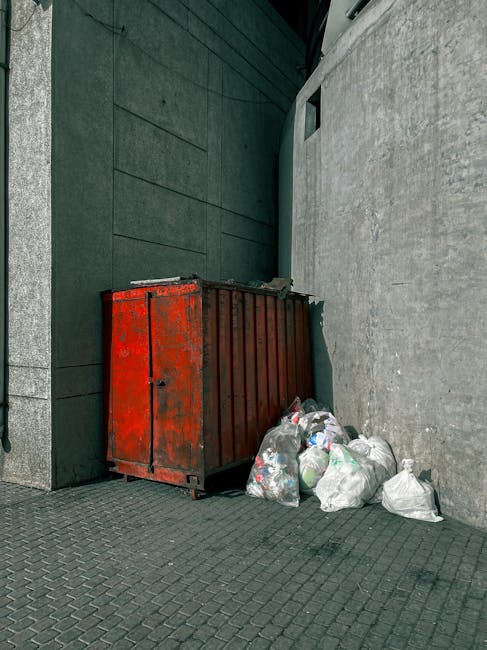
Affordable rubbish clearance South Kensington station SW7
Posted on 16/07/2026
If you need affordable rubbish clearance South Kensington station SW7, you probably want two things at once: a fair price and a service that does the job properly the first time. That sounds simple enough, but in a busy London pocket like South Kensington, the details matter. Tight stairwells, controlled parking, awkward lift access, last-minute time windows, and mixed waste all affect how rubbish is collected and what it ends up costing.
This guide explains how local rubbish clearance usually works, what affects value for money, and how to avoid paying for poor service. Whether you are clearing a flat after a move, dealing with builder's waste, or just trying to get your hallway back, the right approach can save time, stress, and yes, a bit of cash too.
To help you compare your options sensibly, we'll also look at safety, compliance, and practical steps that make clearance smoother. If you want a broader view of available services, you can start with the services overview, then come back here and work through the details.
Quick takeaway: affordable clearance is not simply the cheapest quote. It is the best mix of transparent pricing, efficient loading, correct disposal, and local know-how.
Why Affordable rubbish clearance South Kensington station SW7 Matters
South Kensington sits in a part of London where space is valuable, time is short, and access can be tricky. That makes rubbish clearance feel more annoying than it should. A few bags in a hallway can suddenly become a blocked passage. A disassembled wardrobe can sit in the way of the next delivery. Builder's rubble can spread dust through a flat in minutes. You notice these things quickly in SW7.
Affordable clearance matters because the wrong solution often costs more later. A bargain quote that excludes labour, loading, or disposal can turn into an unpleasant surprise. On the other hand, a clear, itemised service can be genuinely cost-effective if the team removes waste quickly, sorts it properly, and avoids unnecessary return visits.
There is also the simple practical reality of the area. Many properties near South Kensington station are flats, mansion blocks, mews homes, or short-let spaces where access windows are narrow. If clearance is delayed, you may lose a whole day waiting around. Nobody has time for that, frankly.
For people comparing domestic and commercial help, the difference is often more about scale than category. A single flat clear-out may still need the same planning as a small office clearance if access is tight. If you are dealing with household items, see the domestic waste collection service for a useful reference point.
One more thing. Affordable does not mean careless. In this part of London, a proper service should still be insured, legally compliant, and respectful of shared buildings. That's the baseline.
How Affordable rubbish clearance South Kensington station SW7 Works
Most rubbish clearance jobs follow a fairly predictable process, though the quality of each step can vary. In plain English, you identify the waste, get a quote, book a slot, the team arrives, loads everything, and disposes of it responsibly. Simple. But the devil is in the details.
First, the operator usually wants to know what needs removing. Photos help, especially if you have mixed waste, heavy furniture, or awkward access. A clear description is better than "just a bit of stuff," which sounds harmless until the van turns up and the pile looks like a small lifestyle decision gone wrong.
Second, pricing is often influenced by volume, weight, labour, and access. A ground-floor pickup is usually easier than carrying a sofa down four narrow flights. Likewise, a skip-style approach may not suit a road where loading and permits are more complicated than the average street.
Third, the clearance itself should be tidy and controlled. A good team separates reusable, recyclable, and residual waste where possible. If your load includes items such as fridges or washing machines, disposal needs to be handled correctly. For that sort of job, the appliance disposal service is a practical and relevant option.
Finally, you should receive confirmation that the waste has been taken away lawfully. That matters more than many people realise. It protects you from fly-tipping risk and helps keep the process transparent.
What an efficient job usually looks like
- Clear quote before collection, with no vague add-ons hidden in the small print
- Arranged arrival window that matches building access and parking realities
- Careful lifting and carrying, especially in narrow hallways
- Responsible sorting of waste and recyclables
- Clean finish with no mess left in communal areas
Key Benefits and Practical Advantages
The obvious benefit is getting rid of unwanted items. But the real value of affordable rubbish clearance South Kensington station SW7 goes beyond that. It saves headspace. Once the clutter goes, the flat feels bigger, the room feels calmer, and you stop stepping around a broken chair every morning.
There is also a financial angle. If you are clearing a property before sale or letting, a tidy space can help the next stage move faster. That is particularly relevant in a district where presentation matters. A clean, empty room photographs better and shows better. You can almost feel the difference when the light comes through the window.
Another advantage is reduced disruption. A skilled crew can often remove items in one visit rather than leaving you to manage multiple trips to a tip or recycling centre. That is a huge win if you do not drive, or if your weekend is already packed.
For landlords and agents, affordability is not only about unit price. It is about avoiding void periods, missed handovers, and complaints from tenants or neighbours. For businesses, it also means keeping entrances, storage rooms, and common areas clear without pulling staff away from their actual work.
And then there is compliance. A reliable waste carrier helps ensure the load is handled correctly. If you want more background on that side of things, the page on waste carrier licence and compliance is worth a look.
Expert summary: the best clearance service is not the one with the flashiest pitch. It is the one that combines fair pricing, careful handling, legal disposal, and enough local experience to make the day painless.
Who This Is For and When It Makes Sense
This kind of service suits a surprising range of people. If you live near South Kensington station and have a one-off mess to deal with, you're in the right place. If you manage multiple properties, even better. The principles stay the same, only the scale changes.
Typical users include:
- Homeowners clearing lofts, spare rooms, or entire flats
- Tenants moving out and needing a final clear-up
- Landlords preparing a property for the next occupant
- Letting agents handling abandoned furniture or leftover rubbish
- Small businesses removing packaging, shelving, archives, or old office items
- Builders or renovators with rubble, timber offcuts, and mixed site waste
- Householders dealing with broken appliances or bulky items
It also makes sense at specific moments. After a renovation, after a spring clean, after a bereavement, before a sale, or when a room simply becomes unusable because too much stuff has piled up. Life happens. Rooms fill. Then suddenly you need a plan.
Some people wait too long because they assume clearance is complicated or expensive. Truth be told, a small load can often be surprisingly straightforward. It is usually better to sort it early than to let it grow into a bigger job. That is especially true in flats where storage space is limited.
If you are dealing with old sofas, mattresses, wardrobes, or dining sets, the furniture removal service can be the neatest route. For larger property clearances, the house clearance option may be the better fit.
Step-by-Step Guidance
If you want the process to stay affordable, preparation matters. A bit of sorting before the crew arrives can shave off time and prevent unnecessary loading. It's not glamorous, but it works.
- Make a simple inventory. Walk through the space and note what is going. Group items by type: furniture, bags, electricals, garden waste, construction debris, and so on.
- Identify anything awkward. Heavy wardrobes, fragile mirrors, awkward staircases, or items stuck in basements need mention up front.
- Ask for a transparent quote. A proper quote should explain what is included. If it is unclear, ask again. No one likes surprise charges, especially not on collection day.
- Check access details. Tell the provider about lift use, parking limits, concierge arrangements, and loading restrictions near the station area.
- Separate what you want to keep. This sounds obvious, but mixed piles happen. Label the keep items, or move them out of the way.
- Book a realistic time slot. If you are in a shared building, make sure neighbours, reception, or building management know what is happening if needed.
- Stay available during the visit. You do not need to hover. But being reachable helps if the crew spots an item that changes the load.
- Confirm disposal details. You want assurance that the waste is being handled legally and responsibly, not dumped at the nearest layby like a bad idea.
A small tip: if you are clearing a flat after a move, leave the hallway free first. It makes the whole job feel calmer. Less like chaos, more like progress.
Expert Tips for Better Results
Here is where the savings often hide. Small decisions can make a visible difference to the final bill and the smoothness of the job.
- Photograph the waste in good light. Natural daylight helps the provider judge volume more accurately.
- Be honest about mixed materials. Wood, metal, plasterboard, and general rubbish are not the same thing, and mixed loads can affect disposal planning.
- Bundle loose items. Bagging small waste can reduce handling time and stop things spilling across the entrance.
- Keep pathways clear. The quicker the crew can move items out, the less labour the job needs.
- Schedule with neighbours in mind. In apartment buildings, avoiding school-run or commuter-heavy times can reduce friction.
- Choose the right service type. Domestic, commercial, garden, builder's waste, and appliance disposal all have slightly different needs. Matching the job to the service keeps the quote more sensible.
One thing people often forget: recycling and reuse can lower disposal pressure. If an item is still usable, separate it before collection. That said, don't force a rescue mission on a broken shelf that has already given up. Sometimes a chair is just a chair-shaped regret.
For anyone focused on environmental responsibility as well as cost, the recycling and sustainability approach is a worthwhile reference. It helps frame clearance as more than simply "take it away."

Common Mistakes to Avoid
Affordable clearance becomes expensive when people make avoidable errors. The usual culprits are not dramatic, just irritating.
- Choosing solely on the cheapest number. Low quotes can exclude labour, loading, parking, or disposal. Always check what is actually included.
- Giving vague descriptions. "A bit of rubbish" is not enough if there is a cast-iron bed frame and half a bathroom cabinet involved.
- Forgetting about access. If the crew has to carry waste a long distance from the property, the job can take longer than expected.
- Mixing prohibited items with general waste. Some items need special handling. Flag them in advance.
- Leaving everything to the last minute. Same-day help is often possible, but not every job should be treated like a fire drill.
- Not checking compliance. If a company cannot explain how it handles waste lawfully, that is a warning sign.
Another common one: people forget to tell the team about basement steps or a courtyard entrance. Then everyone stands there, mildly surprised, and the clock keeps ticking. A five-second heads-up would have saved the hassle.
Tools, Resources and Recommendations
You do not need specialist equipment to prepare for clearance, but a few simple tools can make the job easier.
- Phone camera: Take clear photos of each room or pile from a few angles.
- Label stickers or tape: Useful for marking keep items, fragile items, or things that must not go.
- Strong bin bags and boxes: Better for loose items than leaving them scattered.
- Basic gloves: Handy if you are sorting dusty loft items or cleaning around old storage.
- Tape measure: Helpful if you need to identify oversized furniture or narrow doorways.
- Notepad or phone notes: Good for listing what is going, what stays, and any special access instructions.
Recommended service pages to review, depending on what you are clearing, include builders waste removal, commercial waste removal, and garden waste removal. Different waste streams deserve different handling, and that usually improves both price accuracy and efficiency.
If you want to understand the business behind the service a little better, the about us page can help set expectations about the company's approach and values.
Law, Compliance, Standards, or Best Practice
Rubbish clearance in London is not just a practical task; it is also a regulated activity with responsibilities attached. You do not need to become a waste-law expert, but you should expect your provider to know what they are doing.
At a minimum, a reputable operator should be able to explain how they handle waste transfer, legal transport, duty of care, and safe disposal. In the UK, waste must not simply disappear into thin air. Someone is responsible for it at each stage, and that should be taken seriously.
For customers, best practice is straightforward:
- Use a company that can explain its compliance clearly
- Check that the team is insured for the work they carry out
- Ask how mixed waste is sorted and where it is taken
- Keep records or confirmation for business or landlord files where relevant
- Be cautious about anyone offering unrealistically low pricing with no detail
It is also sensible to review safety expectations if the job involves lifting, stairs, sharp materials, or awkward access. The insurance and safety information is useful reading for that reason. Better safe than sorry. Especially when your stairwell is already playing hard to get.
For payment clarity, the payment and security information and the terms and conditions can help you understand how bookings are handled. That sort of transparency is a good sign.
And if sustainability matters to you, ask whether reusable items are diverted where possible and whether recyclable material is separated. Good practice here is not flashy. It is just careful, consistent, and honest.
Options, Methods, or Comparison Table
If you are weighing up how to clear rubbish near South Kensington station, it helps to compare the main approaches side by side. There is no one-size-fits-all answer, which is slightly annoying but true.
| Method | Best for | Strengths | Limitations |
|---|---|---|---|
| Professional rubbish clearance | Mixed household, bulky items, fast turnarounds | Convenient, labour included, disposal handled for you | Usually costs more than self-loading, but often better value overall |
| Skip hire | Projects with steady waste over time | Good for ongoing builder's waste, flexible loading | Needs space, may require permits, not ideal for tight access |
| Self-haul to a facility | Small loads and people with time and transport | Can be cost-effective if you already have a vehicle | Time-consuming, physically demanding, not practical for large or heavy waste |
| Ad hoc item disposal | Very small single items | Simple for one or two lightweight items | Can become inefficient fast, especially with bulky waste or multiple trips |
In most South Kensington cases, professional collection wins on convenience and predictability. Self-haul only makes sense if the load is tiny and your day is unusually free. Which, let's be honest, is rare.
Case Study or Real-World Example
Consider a typical flat near the station: a tenant moving out, a broken chest of drawers in the bedroom, two bags of mixed clutter from a cupboard, an old television, and a few items left in the hallway. Nothing extreme. Just enough to be annoying.
The tenant starts by taking photos and grouping the items. The provider gives a quote based on the volume, the fact that there is stair access, and the mixed nature of the waste. On the day, the crew arrives within the agreed window, removes the items carefully, and leaves the hallway clear. No broken skirting boards, no awkward drag marks, no drama.
What made the job affordable was not magic. It was preparation, accurate description, and choosing the right service type. The customer did not overbook, and the team did not waste time re-estimating on site. Simple stuff, really, but simple stuff is often what saves money.
In a larger example, a landlord clearing a property after tenancy might combine old furniture removal with general rubbish and an appliance pickup. That kind of mixed job is a good match for a service that can handle multiple waste streams in one visit. It avoids juggling several contractors and keeps the handover on track.
For people interested in the wider local context, the article on selling homes in Brompton touches on how presentation and readiness affect property movement, which connects naturally to clearance work.
Practical Checklist
Use this checklist before booking affordable rubbish clearance South Kensington station SW7:
- List every item or pile that needs removing
- Take clear photos in daylight
- Note stairs, lifts, parking restrictions, and entrance details
- Separate keep items from waste
- Identify anything heavy, fragile, or awkward
- Ask what is included in the quote
- Check how recyclable or reusable items are handled
- Confirm the booking time and access arrangements
- Keep your phone handy on the day
- Make sure communal areas are protected and left tidy
Useful reminder: if the job includes mixed rubbish, furniture, or appliances, mention that from the start. It makes pricing more honest and the visit much smoother.
Conclusion
Affordable rubbish clearance South Kensington station SW7 is really about getting the right outcome without overpaying for the process. The best service should feel straightforward, respectful, and well-organised. No mess left behind. No confusing extras. No wondering whether the waste was handled properly.
When you prepare well, describe the job clearly, and choose a provider that values compliance and practical efficiency, the whole thing becomes much easier. The flat clears faster, the room breathes again, and you get that slightly satisfying moment where the space suddenly looks like itself once more.
If you are still deciding, use the information above to compare your options carefully. A little attention now can save a lot of hassle later, and in a place like South Kensington, that is worth doing properly.
Get a free quote today and see how much you can save.
And if you have been putting it off for weeks, that is fine too. Most people do. The good news is that one sensible clear-out can make the whole place feel lighter, almost instantly.